Mango Bloom Font
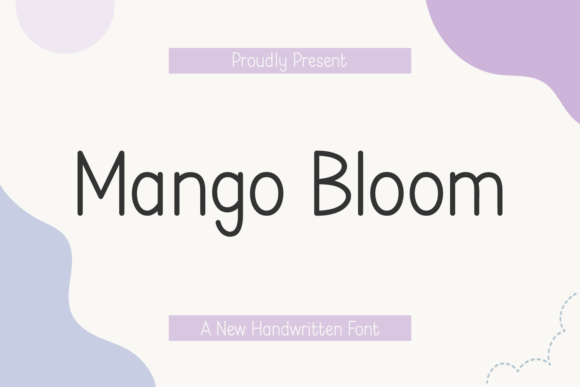
Choosing the right font for a lifestyle blog redesign felt like selecting the perfect piece of art to hang in a gallery. Every stroke, every curve, and every line needed to speak to the reader’s mood and expectations. That’s when I discovered Mango Bloom—a script handwritten font that feels like an invitation to slow down and savor the moment.
As someone who regularly works on ebook covers, newsletter graphics, and editorial layouts, I’ve come to appreciate how a well-chosen font can transform a project from ordinary to unforgettable. Mango Bloom does exactly that. Its soft, flowing lines and gentle imperfections give it a warm, personal touch that feels both modern and timeless. It’s not just a font; it’s a design companion that brings a sense of calm and elegance to any project.
Mango Bloom for Wedding Invitations and Elegant Branding
When I first considered using Mango Bloom for a wedding guide, I was drawn to its ability to convey intimacy and grace. The font’s natural rhythm makes it ideal for titles, headings, and decorative elements that need to feel both refined and approachable. Whether it’s a wedding invitation or a branded brochure, Mango Bloom adds a subtle sophistication that doesn’t overpower the message.
Its versatility extends beyond weddings. For a boutique brand looking to establish a unique identity, Mango Bloom offers a way to stand out without being too flashy. Pair it with a clean serif font for body text, and you have a balanced design that feels professional yet personal. This combination is especially effective for digital magazines, printable planners, and coaching workbooks where readability and aesthetics go hand in hand.
How Mango Bloom Enhances Editorial Layouts
In editorial design, visual hierarchy is everything. Mango Bloom excels as a display font for headlines, pull quotes, and section openers. Its organic flow helps guide the reader’s eye through the content, creating a more engaging reading experience. When used in a magazine layout or a blog header, it adds a touch of personality that aligns with the tone of the publication.
One of the things I love about Mango Bloom is how it maintains legibility even at smaller sizes. While it’s best suited for titles and accents, it can also be used for short paragraphs in a creative context. For example, in a recipe ebook, using Mango Bloom for ingredient lists or step-by-step instructions gives the content a handmade feel that resonates with readers looking for authenticity.
Mango Bloom for Kids Party Invitations and Creative Projects
When working on a kids’ party invitation template, I found that Mango Bloom brought a playful yet polished look to the design. Its gentle curves and soft edges make it feel inviting and friendly, which is essential when designing for children. It’s not too rigid or formal, which allows for a more whimsical aesthetic that still feels professional.
This font also works well in printable guides, such as activity worksheets or coloring pages. Its handwritten style adds a personal touch that makes the content feel more engaging. For educators, parents, or content creators looking to add a unique flair to their materials, Mango Bloom is a great choice that balances creativity with clarity.
Practical Considerations for Using Mango Bloom
Before incorporating Mango Bloom into a project, it’s important to check the available styles, ligatures, and multilingual support. These details can affect how the font performs across different platforms and formats. For instance, if you’re designing a newsletter that will be exported as a PDF, ensuring that the font displays correctly on all devices is crucial.
Font pairing is another key consideration. Mango Bloom pairs beautifully with serif fonts like Georgia or Playfair Display for body copy, or with sans serif fonts like Lato or Open Sans for captions and navigation. This flexibility makes it a valuable addition to any designer’s toolkit, whether they’re working on a digital magazine, a course PDF, or a social media graphic.
Mango Bloom for Digital Magazines and Content Branding
For a digital magazine layout, Mango Bloom adds a human touch that stands out in a sea of generic designs. It’s particularly effective for cover text, article titles, and section headers. Its elegance and warmth help create a cohesive brand identity that feels authentic and memorable.
Content branding is another area where Mango Bloom shines. Whether it’s for a podcast title, a YouTube channel banner, or a branded email signature, this font offers a way to express personality while maintaining professionalism. Its handwritten quality makes it ideal for brands that want to feel more approachable and relatable.
Why Mango Bloom Works for Long-Form Content
While Mango Bloom is primarily a display font, it can be used effectively in long-form content when paired with a readable typeface. For example, in a coaching workbook or a printable planner, using Mango Bloom for chapter titles and key takeaways creates a visually appealing structure that enhances the reading experience.
Readability is a concern when using script fonts for extended text, but Mango Bloom’s clean lines and consistent spacing make it more forgiving than many other handwritten fonts. This makes it a good option for projects that require a balance between style and functionality, such as a digital course or a downloadable worksheet.
Mango Bloom for Newsletter Headers and Social Media Graphics
When designing a newsletter header, the font choice sets the tone for the entire publication. Mango Bloom offers a fresh, modern alternative to traditional serif or sans serif fonts. Its softness and charm make it ideal for newsletters focused on wellness, creativity, or lifestyle topics.
Social media graphics also benefit from the font’s expressive nature. Whether it’s a quote card, a promotional banner, or a branded post, Mango Bloom adds a personal touch that stands out in a crowded feed. It’s especially useful for brands that want to maintain a consistent visual identity across multiple platforms.
Final Thoughts on Mango Bloom
Using Mango Bloom has been a rewarding experience, especially when working on projects that require a blend of beauty and functionality. Its ability to evoke emotion while maintaining clarity makes it a versatile choice for a wide range of editorial and design applications. From wedding invitations to digital magazines, this font proves that thoughtful typography can elevate any content.
For anyone looking to add a touch of elegance and warmth to their design work, Mango Bloom is a font worth exploring. Its handwritten charm, combined with its practicality, makes it a valuable asset for bloggers, publishers, and independent creators alike.